 Globaly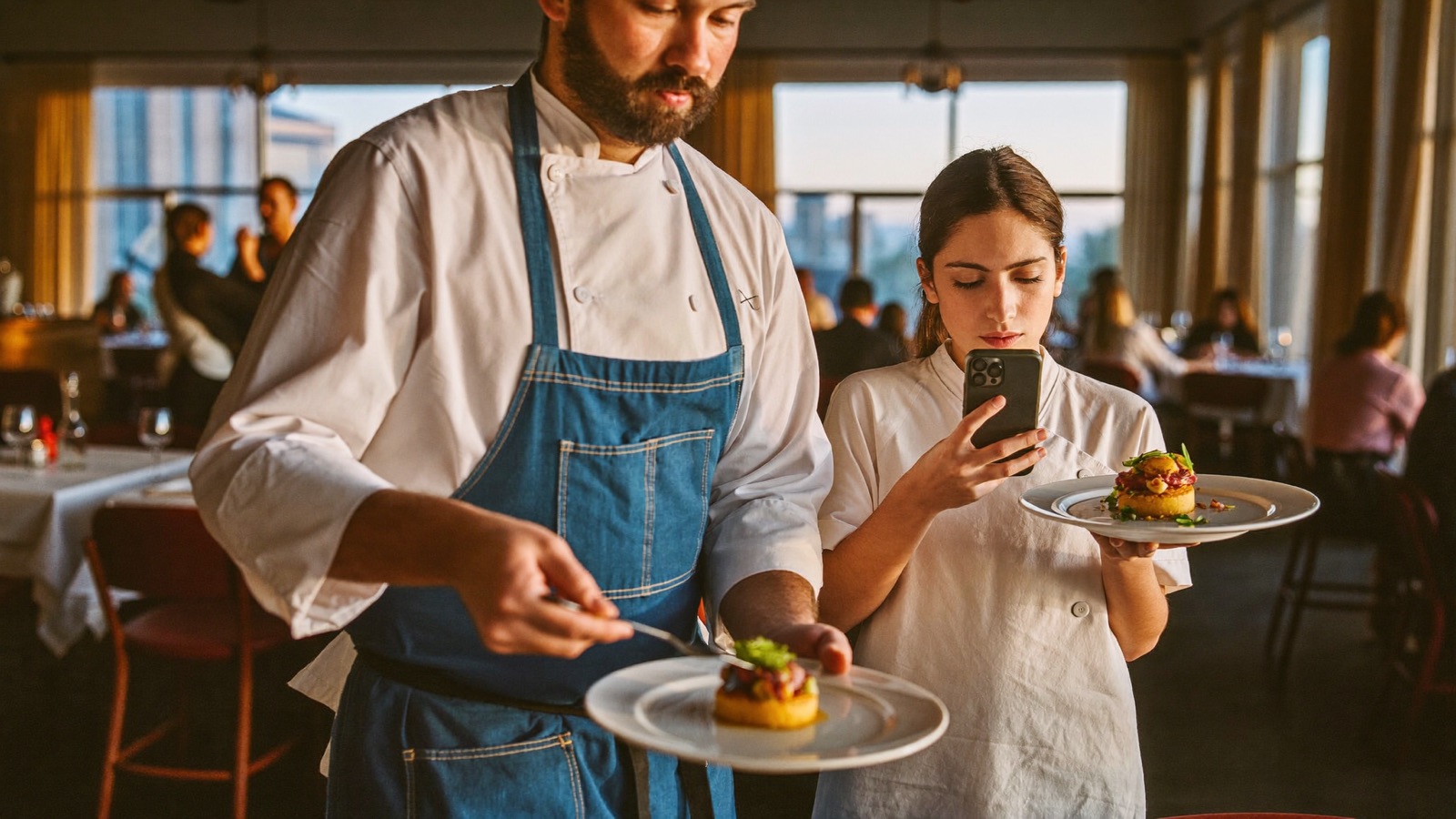
Running a restaurant leaves little time for marketing, and much of what you hear about it sounds like it was written for brands with large budgets. Good restaurant marketing is simpler than that: make sure hungry people nearby can find you, show them food they want to eat, make booking or ordering easy, and give regulars a reason to come back.
1. Get Found on Google Maps First
Many diners decide where to eat from a map search. Your Google Business Profile should have the right category, accurate hours, a menu link, a booking or ordering link and plenty of recent, appetising photos. Reply to reviews and update holiday hours. Our Google Business Profile setup guide walks through every step.
2. Make Your Menu Easy to Find and Read
Put your current menu on your website as a page, not only as a PDF, so it loads quickly on a phone and can be found by search engines. Include prices. Link to it from Instagram, Google and any delivery apps, and keep all versions in sync.
3. Show Food That Looks Like Food
Your social media should make people hungry. Natural light, close-ups, steam, sauces being poured, a fork breaking into something. Short videos of dishes being made tend to suit restaurants particularly well. You do not need a studio; a recent phone, a window table and a few minutes during prep can produce weeks of content.
Batch your content: pick one quiet afternoon a month to film and photograph the whole menu and the team. That single session can feed a month of posts.
A Weekly Restaurant Content Mix
- Signature dish: one hero plate, shot beautifully, with a line on what makes it special.
- Behind the scenes: the kitchen at work, the morning bake, a supplier delivery.
- People: your chef, your servers, a regular (with permission).
- Offer or event: a set lunch, a seasonal special, live music, a quiz night.
- Reel: a dish being made, a table being set, the room filling up.
4. Collect Reviews Without Being Pushy
Ask satisfied guests at the right moment, such as when they compliment a dish, and make it easy with a QR code on the bill folder or a table card. Reply to every review, especially the critical ones. A calm, specific reply often reassures future guests more than a perfect score.
5. Use Simple, Local Ads
Restaurant marketing ads do not need to be complex. A small, steady budget behind your best-performing reel, shown to people within a short distance of the restaurant, often works well. Give each campaign one goal: bookings, orders, or directions. Run lunch offers in the morning and dinner offers in the afternoon, when people are deciding.
6. Make Booking and Ordering One Tap
Every extra step loses people. Put your booking or ordering link in your Instagram bio, Google profile and website header. If you use delivery apps, also promote direct ordering or booking where it suits your margins, and make it just as easy.
7. Answer Messages Quickly
“Do you have a table for four tonight?” is a message that needs a fast answer. Auto-replies can handle hours, location, menu and booking links instantly, and pass special requests to a person. See our guide to Instagram auto-replies.
8. Bring Regulars Back
- Collect emails or phone numbers with consent, for example through bookings or a simple sign-up.
- Send a short monthly note: new dishes, events, a small thank-you for regulars.
- Recognise regulars on social media (with permission) and in person.
- Use quiet days for events that give people a reason to visit midweek.
9. Work With Your Neighbourhood
Restaurants are local businesses, and some of the best marketing is offline. Partner with nearby offices for team lunches, gyms for post-workout breakfasts, or hotels without their own kitchen for guest recommendations. Feature local suppliers by name in your posts and ask them to share. Support a school event or a community fundraiser. Food creators in your area can help too, but choose people whose audience is genuinely local and whose content you would be happy to see on your own feed, and make sure any paid posts are clearly labelled as ads.
These partnerships cost little, often bring in groups rather than individuals, and give you a steady stream of real stories to share on social media.
Keep a simple note of which partnerships brought in bookings, and repeat the ones that worked each season.
Staff are part of this too. Encourage your team to share the restaurant’s posts if they are comfortable, mention new dishes to guests, and tell you which questions diners ask most. Those questions are your next posts.
10. Plan Around Your Calendar
Map out the year: local holidays, Valentine’s Day, Mother’s Day, Christmas parties, Ramadan iftar menus, summer terrace season, big sports fixtures. Start promoting set menus and bookings a few weeks ahead, not the day before.
What to Measure
- Bookings and orders from social media, Google and your website.
- Calls and direction requests on your Google profile.
- Messages received and how fast you replied.
- Which posts and reels drew the most saves and shares.
How Globaly.Agency Helps Restaurants and Cafés
We plan and produce weekly content for restaurants and cafés, from dish photography edits to reels, captions and scheduling, run local ads, and set up auto-replies for bookings and opening hours. Learn more on our restaurants and cafés page, see our pricing, or get a proposal for your restaurant.
Frequently asked questions
What is the best social media platform for restaurants?
Instagram is usually the strongest for food, with Google Business Profile alongside it. TikTok suits restaurants willing to post casual videos often.
How much should a restaurant spend on ads?
Start small and steady behind your best content, aimed at people nearby, then increase only when you can see bookings or orders coming from it.
Should I use professional food photography?
A professional shoot for your menu and website is worth it if you can. For weekly social content, well-lit phone photos and videos work well.
🍽️ See our restaurants & cafés marketing →
Related articles.

How to Choose a Digital Marketing Agency for Your Business
What to actually look for when hiring a digital marketing agency, from written deliverables to fair pricing, without the sales talk.
Read article →
Social Media Marketing for Small Business: A Practical Guide
A plain-English plan for small business social media: which platforms to use, what to post each week, and how to tell if it is working.
Read article →
AI Marketing for Small Businesses: What Works and What Doesn’t
AI can draft, design and reply faster than any person. It still needs people to make it good. Here is how to use it well.
Read article →